See what you already own through funds and ETFs, spot hidden concentration, and compare allocation impact before you add a new position.
"I used it to check whether a new fund was just duplicating my ETF exposure. The overlap view made the decision straightforward."
Use overlap, allocation, and risk context to avoid accidental duplication
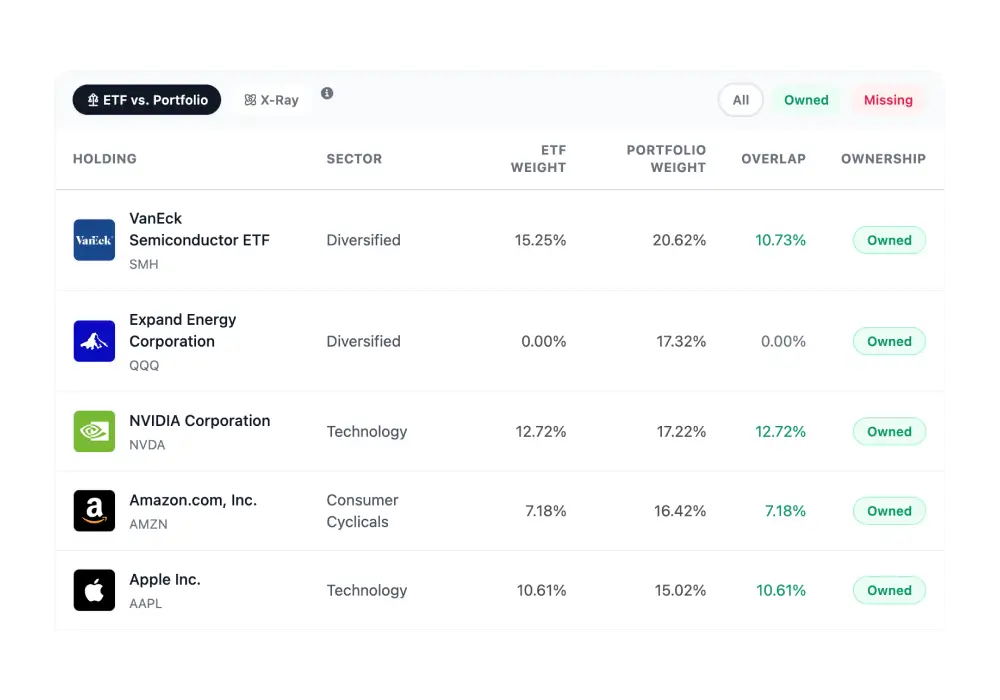
Compare a fund or ETF against your current portfolio to see shared holdings and weights. Why it matters: it helps avoid paying extra fees for the same exposure.
Review sector and region overlap, not just ticker overlap. Why it matters: concentration often hides inside diversified-sounding funds.
See how a new position shifts your portfolio mix across asset classes and market cap. Why it matters: small adds can materially change risk balance.
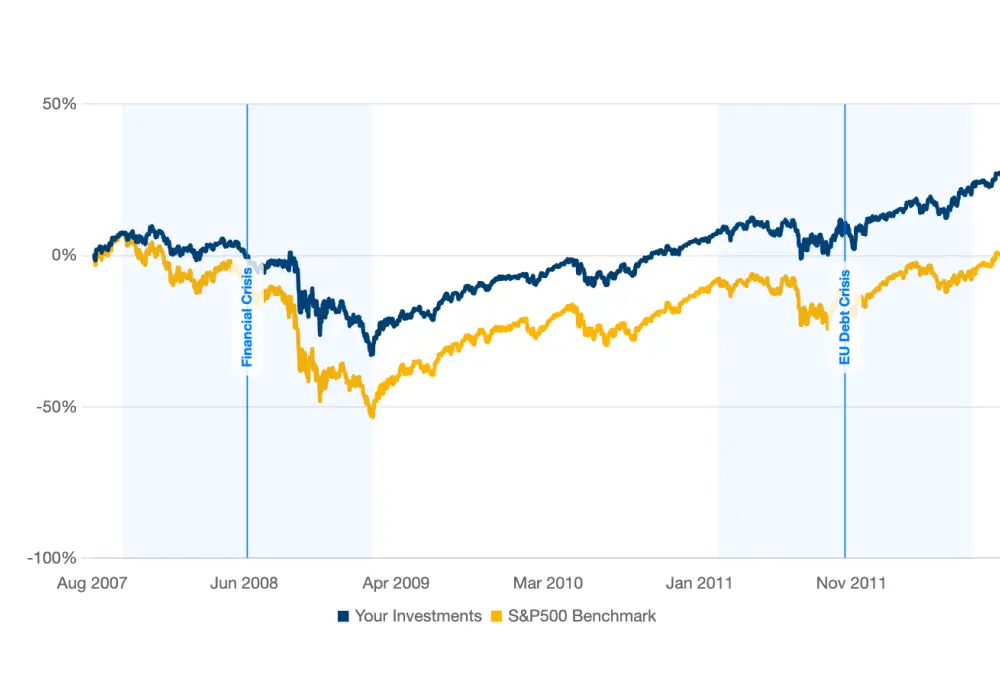
Check how your portfolio behaved in past market shocks and compare drawdowns to benchmarks. Why it matters: overlap can amplify losses in the same scenario.
Get flags for overexposure, gaps, and redundant positions. Why it matters: it turns overlap data into a clear next step to review.
Import via CSV or connect a broker on supported plans to keep holdings current. Why it matters: overlap analysis stays relevant as positions drift over time.
Create an account, then import with CSV or add positions manually. Broker sync is available on paid plans.
Pick the fund or ETF you are considering and review shared holdings, sector overlap, and region overlap versus your portfolio.
Use benchmarking, stress tests, and what-if simulations to compare outcomes, then monitor changes as your portfolio evolves.
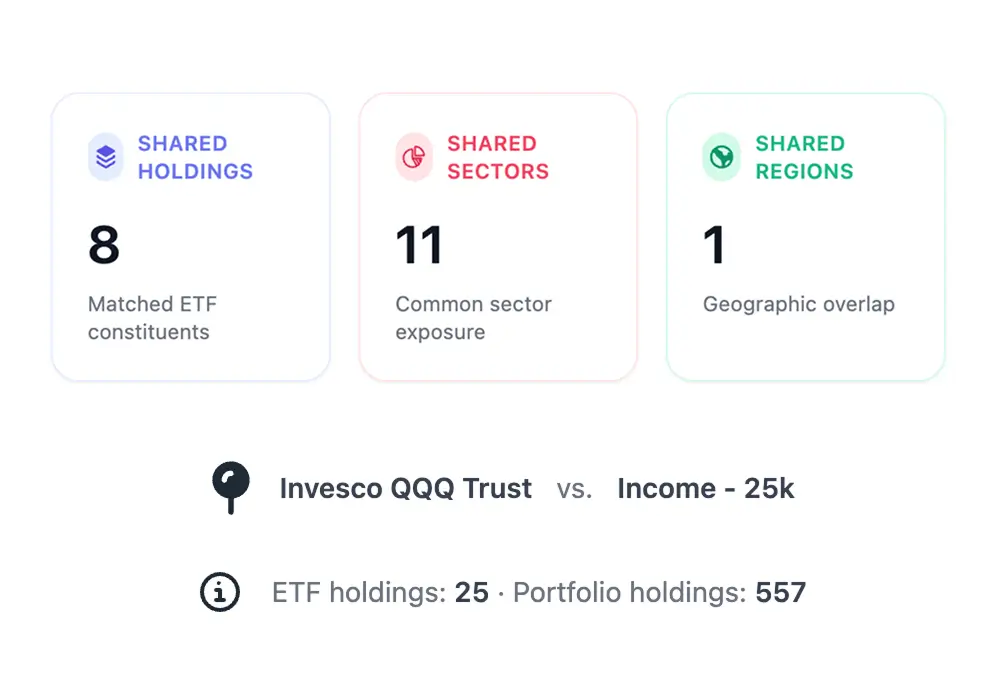
Analyze overlap using shared holdings, shared sectors, and shared regions. Use it to verify whether a new ETF adds diversification or duplicates existing exposure.
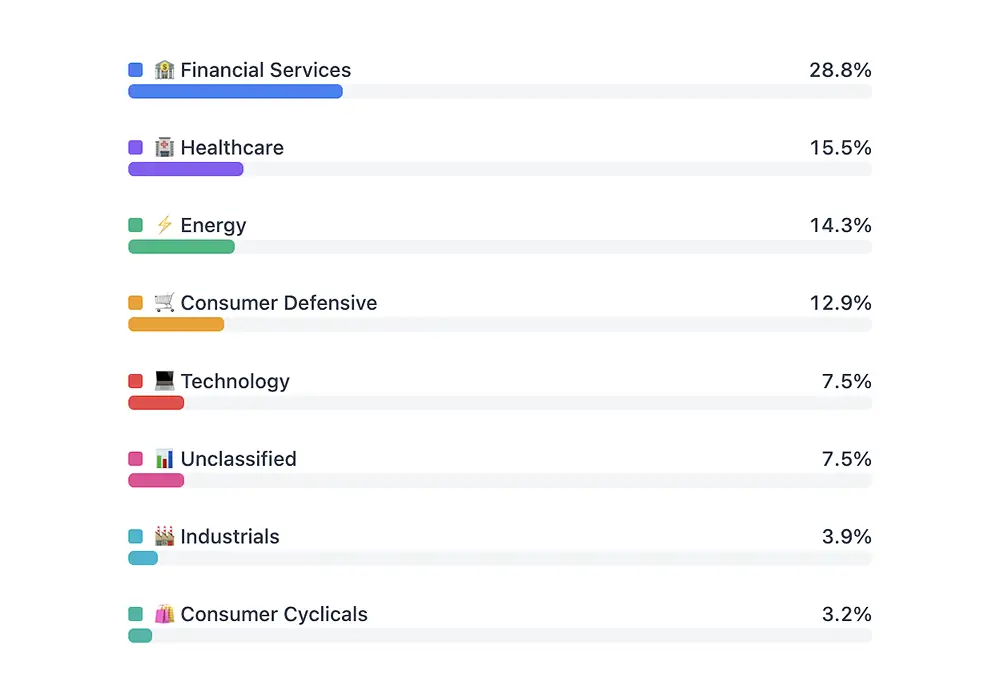
Review your sector allocation and spot where overlap creates heavy exposure. Use it to decide whether to balance with other sectors or reduce duplicates.
Compare your portfolio behavior in historical crisis periods and review drawdowns and recovery versus a benchmark. Use it to understand how overlap may increase correlated risk.
Choose the plan that fits your investment journey. Start free, upgrade when you're ready.
Where your investing journey begins
Try for Free
Built for data-driven decision makers
Subscribe
Portfolio foresight at your fingertips
SubscribeIt is the amount of shared exposure between a mutual fund and an ETF (often shared underlying holdings, plus similar sector or region weights). High overlap can mean you are paying for duplication and taking more concentrated risk than you expect.
Create a free account to compare funds and ETFs against your current portfolio, then review concentration and risk context in one place.
Create Free Account